Skip to content
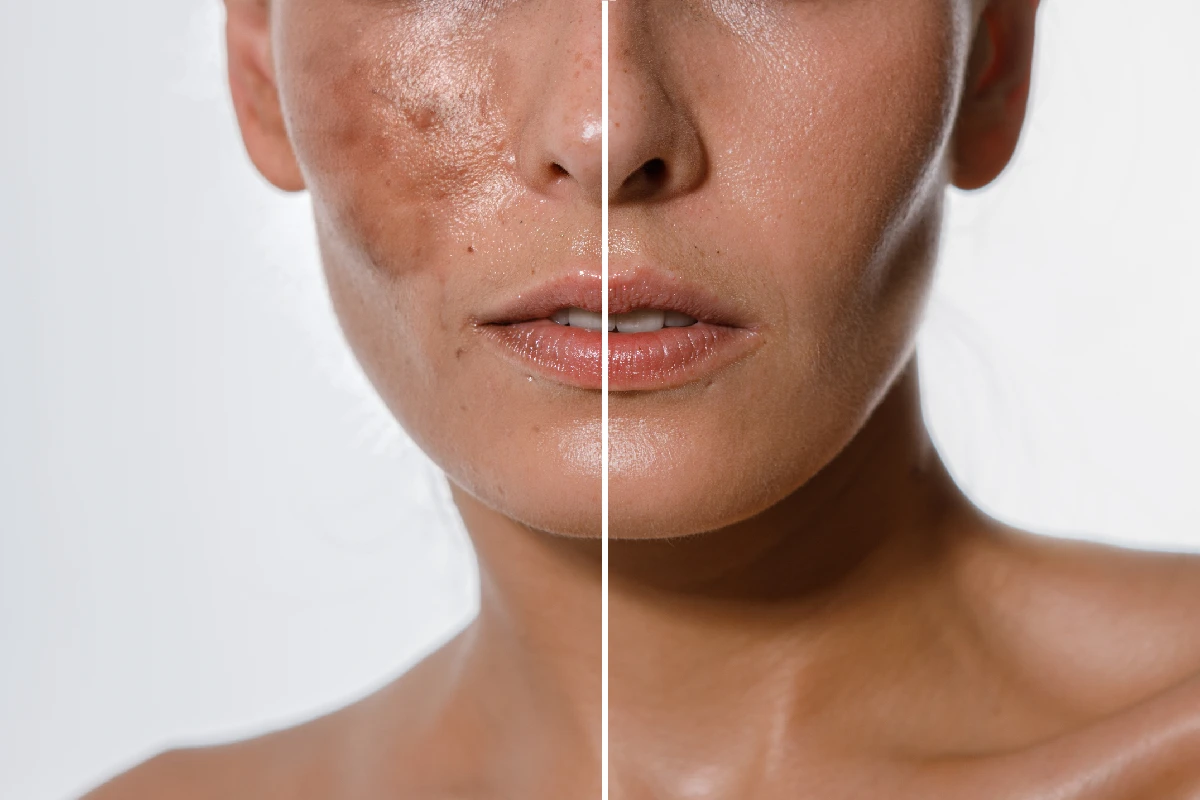
Table of Contents
If you have used brightening serums, exfoliating cleansers, or spot treatments without getting the results you want, there is a clinical reason for it. Dark spots and uneven skin tone start in the deeper layers of the skin, not on the surface. Most at-home products cannot reach these layers. That is why chemical peels are a popular clinical treatment for pigmentation issues.
At Novu Wellness and Aesthetics, we include chemical peels in personalized skincare plans based on each patient’s needs and goals. If you want to reduce visible pigmentation, learning how peels work can help you make an informed choice.
Why Do People Use Chemical Peels For Stubborn dark spots and uneven skin tone?
Chemical peels use acid solutions to break down the bonds between pigmented skin cells, causing controlled exfoliation and cell renewal at a deeper level than most topical products. Over several treatments, most patients see their skin become clearer and more even as the pigmented layers are replaced with fresher skin.
Why Dark Spots and Uneven Skin Tone Are So Difficult to Correct
Dark spots and uneven skin tone appear when your skin produces too much melanin, often because of sun exposure, inflammation, hormones, or acne. These melanin deposits are inside the skin layers, not just on the surface. That is why surface products usually cannot fully fix them, no matter how often you use them. The ingredients only reach the top layer and cannot get to the source of the pigmentation.
In adults, the skin’s natural cell turnover takes about twenty-eight days or longer, which is often too slow to remove large amounts of melanin without clinical help. Sometimes, pigment-producing cells keep making extra melanin even after the original cause is gone. That is why dark spots often stick around and get darker instead of fading on their own. For this reason, treating stubborn dark spots usually requires a clinical approach, not just regular skincare.
What Chemical Peels Actually Do at the Cellular Level
Chemical peels use acids such as alpha hydroxy acids, beta hydroxy acids, and trichloroacetic acid to break down the bonds between damaged, pigmented skin cells. This controlled exfoliation removes these cells more thoroughly than at-home exfoliants. By clearing away layers of melanin-filled cells and encouraging the skin to renew, peels reveal fresher, less pigmented skin and help new cells form with a more even tone.
The controlled depth of a professional peel allows the provider to reach the layers where pigmentation is most concentrated, which is the clinical advantage over topical treatment that works only at the outermost skin surface. Peels also trigger a mild healing response that accelerates healthy cell turnover, compounding the brightening effect over a treatment series and contributing to the progressive uneven skin tone correction with chemical peels that most patients notice across multiple sessions.
Why Chemical Peels Are Particularly Effective for Stubborn Pigmentation
Stubborn dark spots develop when melanin settles in the middle or lower layers of the skin, not just on the surface. Chemical peels are one of the few non-invasive treatments that can reach these deeper layers with controlled acid application. Regular peels encourage steady cell turnover, which makes professional treatments more effective than occasional at-home exfoliation. This ongoing renewal helps prevent pigmented cells from building up again between treatments.
Dark spots from acne, injury, or sun exposure often improve with chemical peels because the treatment targets the pigmented cell layers, no matter what caused the extra melanin. This makes peels a flexible option for treating stubborn dark spots from many different sources.
How Different Chemical Peel Types Address Pigmentation Concerns
Superficial peels with glycolic or lactic acid are best for mild, surface discoloration and early sun spots. They brighten the skin gradually and require little downtime. Medium-depth peels with trichloroacetic acid go deeper and are usually recommended for older dark spots, more serious sun damage, and uneven tone that has developed over the years.
Salicylic acid peels are a good option for people with uneven skin tone, oily skin, or acne-related dark spots. Salicylic acid helps with both surface discoloration and clogged pores that can lead to new pigmented breakouts. At Novu Wellness and Aesthetics, your provider will choose the right peel type and depth based on your skin tone, how deep the pigmentation is, and your skin’s sensitivity. This is why having a consultation before starting treatment is important for safety and the best results.
What to Expect and How Many Sessions Are Needed
During the peel, most people feel a temporary tingling or warmth as the acid solution works on the skin. The skin usually looks pink or flushed right after treatment, and medium-depth peels often cause visible flaking in the days that follow.
The shedding phase represents the removal of the pigmented cell layers that the treatment targeted, and patients should allow this to occur naturally. Sun protection between sessions is critical because freshly treated skin is more vulnerable to UV-induced pigmentation, and unprotected sun exposure can counteract the progress made to improve sun-damaged skin across the treatment series.
Most people need a series of treatments instead of just one session because the cellular renewal that leads to more even skin builds up over time. Superficial peels are usually repeated every four to six weeks, while medium-depth peels need longer breaks between sessions.
How many sessions you need depends on how deep your pigmentation is, how well you protect your skin from the sun, and your overall skin health. Results vary, and people with deeper or more widespread hyperpigmentation usually see slower improvement than those treating early discoloration.
Who Benefits Most From Chemical Peels for Pigmentation
Chemical peels are most effective for correcting pigmentation in people with Fitzpatrick skin types I through IV. If you have a deeper skin tone, talk to your provider, as some peels can increase the risk of post-inflammatory hyperpigmentation in skin with more melanin.
People with sun spots, dark spots from acne, or widespread pigmentation from years of sun exposure are good candidates for chemical peels because these types of pigmentation respond well to controlled cell turnover. If you have an active skin infection, certain skin conditions in the treatment area, or have recently used isotretinoin, you should talk to a provider before booking a treatment.
Ready to Address the Dark Spots That Have Resisted Everything Else
If stubborn dark spots and uneven skin tone have not improved with home treatments, chemical peels at Novu Wellness and Aesthetics offer a clinically proven way to reduce visible pigmentation in Draper, UT. Our team provides treatment for stubborn dark spots and uneven skin tone with professional peels that reach the layers where pigmentation forms, helping patients improve sun-damaged skin with a personalized series tailored to their skin type and goals.
Contact us today to learn which peel is best for your skin. When you are ready, schedule your chemical peel appointment and start your journey to a clearer, more even complexion.